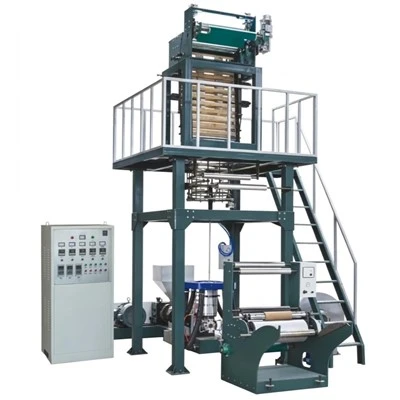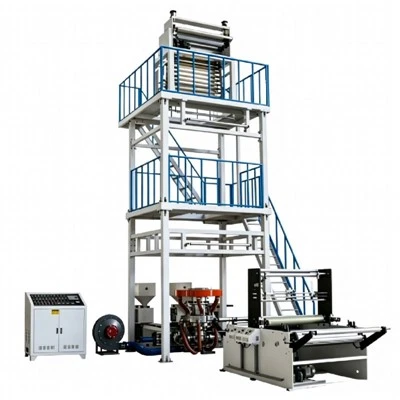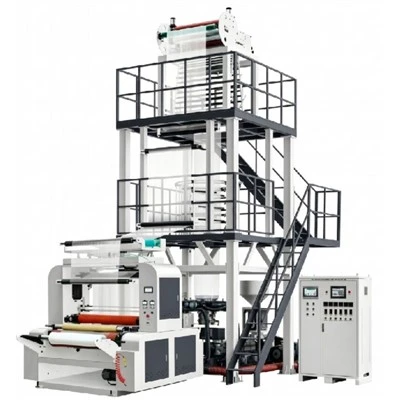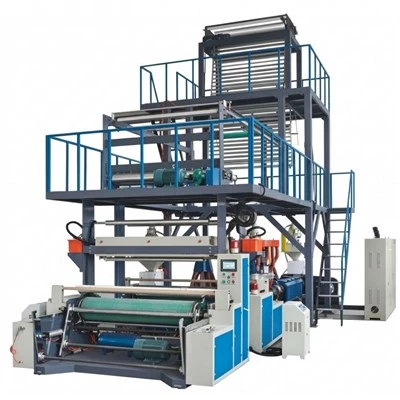

In the packaging industry, while biodegradable and conventional bag making machines function similarly-both producing plastic packaging bags-they differ fundamentally in their material compatibility, process requirements, and finished product properties. Understanding these differences is key to complying with environmental policies and upgrading production lines.
Core Differences in Material Compatibility
Conventional bag making machines use traditional plastic masterbatches as raw materials to process non-biodegradable materials such as polyethylene (PE) and polypropylene (PP). These materials have good thermal stability and a wide processing window, requiring relatively less stringent temperature control precision.
Biodegradable bag making machines, however, must be compatible with biodegradable materials such as PLA (polylactic acid) and PBAT (polybutylene adipate/terephthalate). The melting temperatures and rheological properties of different biodegradable materials differ significantly-PLA has a melting point of approximately 175℃, while PBAT is highly viscous and temperature-sensitive. This necessitates biodegradable bag making machines with more sophisticated temperature control systems and pressure regulation capabilities to adapt to the processing needs of different materials.
Differences in Process Challenges
Conventional bag-making processes are highly mature, with a wide range of parameters for sealing temperature, pressure, and speed, resulting in high production stability.
Processing biodegradable materials presents unique challenges: PLA is brittle and prone to cracking during processing with traditional equipment; PBAT, due to its strong adhesion, easily causes film adhesion to the cooling rollers during the lamination process, requiring a PTFE contact layer on the roller surface to resolve this. Furthermore, biodegradable materials have a narrower heat-sealing window; excessively high temperatures lead to material degradation, while excessively low temperatures result in weak seals, placing higher demands on the temperature control precision of the equipment.
Finished Product Properties and Environmental Value
Plastic bags produced by conventional bag-making machines are difficult to degrade in the natural environment and are difficult to recycle, contradicting increasingly stringent "plastic ban" policies.
Bags produced by biodegradable bag-making machines can automatically decompose under specific conditions (such as industrial composting environments). Taking PLA as an example, it is derived from renewable resources such as corn and is produced through fermentation and polymerization, possessing the dual environmental value of being both "renewable" and "biodegradable." However, the current cost of biodegradable materials is still about 30% higher than that of traditional plastics, and degradation depends on industrial composting, which is difficult to achieve with household composting. This is a bottleneck that the industry still needs to overcome.
Selection Recommendations
Recommended choice: Biodegradable bag making machine. The company's products must meet environmental regulations; the products should primarily be for categories with clear degradation requirements, such as shopping bags, garbage bags, and express delivery bags; and the company should have supporting degradation conditions such as industrial composting.
Alternative choice: Ordinary bag making machine. Products should be for non-consumer applications such as industrial packaging and agricultural films; the products should currently still use traditional plastics as the main raw material, and existing production lines should not require upgrading.
The fundamental difference between biodegradable bag making machines and ordinary bag making machines stems from a fundamental change in the material system. The key to selection lies in determining whether the product direction aligns with environmental trends and whether the company can withstand the short-term challenges in cost and process associated with biodegradable materials.