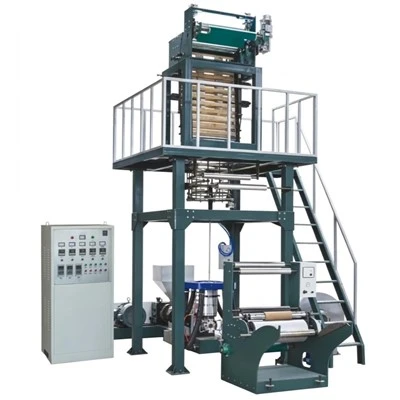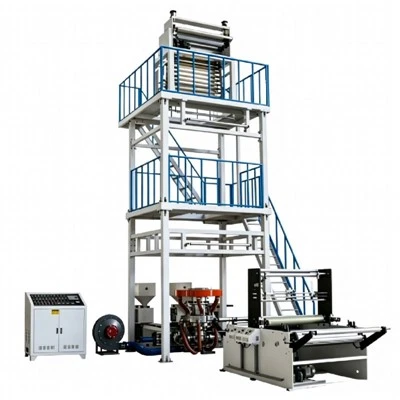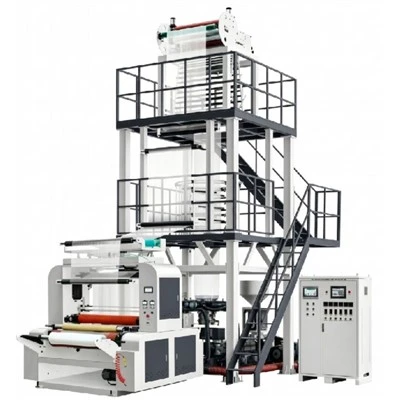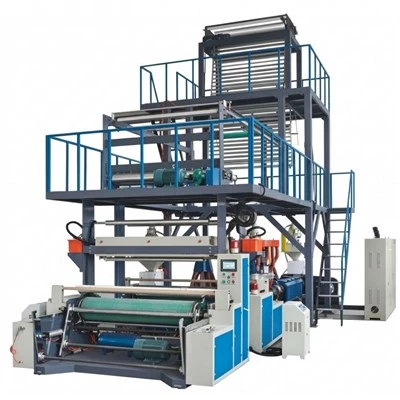

Electricity costs have become the second largest cost in bag manufacturing, second only to raw materials. Through scientific energy management, companies can reduce energy expenditures by 15%-30%, directly improving profitability.
Current Energy Consumption: A Cost Black Hole in Bag Manufacturing
Against the backdrop of the continuous development of the plastic packaging industry, energy cost control has become one of the core competitive advantages for enterprises. Traditional bag-making machines are major energy consumers, with electricity consumption typically accounting for 8%-15% of total production costs, and there is also a significant amount of hidden energy waste. Surveys of multiple packaging companies have revealed that the energy consumption structure of most bag-making machines has room for optimization. Implementing scientific energy-saving measures can not only reduce production costs but also improve the overall efficiency of the equipment. Under the dual-carbon policy, reducing the energy consumption of bag-making machines is both an economic consideration and a reflection of corporate social responsibility.
Five Practical Methods to Reduce Energy Consumption in Bag Making Machines
1. Servo System Upgrade and Energy Recovery
A comparison of energy consumption between traditional asynchronous motors and servo systems shows that the application of servo technology in bag making machines can bring significant energy-saving effects:
- Precise Energy Control: The full servo system dynamically adjusts its output power according to the actual load, avoiding no-load losses and saving 25%-40% more energy than traditional asynchronous motors.
- Braking Energy Recovery: The servo system feeds back the regenerative electrical energy generated during deceleration and braking to the power grid, reducing the overall energy consumption of the system.
- Maintenance-Free Advantage: Servo motors do not require belt drives, reducing mechanical friction losses and maintenance costs.
2. Heating System Optimization and Insulation Upgrade
The heat sealing process in bag making machines is a major energy-consuming node, and there is huge potential for optimization of the heating system:
- Zoned Temperature Control: Dividing the heat sealing knife into multiple independent temperature zones allows for precise heating according to the characteristics of different bag types, avoiding energy waste from overall heating.
- Ceramic Heating Technology: Replacing traditional electric heating tubes with new ceramic heaters increases thermal efficiency by more than 20% and shortens preheating time by 30%.
- Strengthening Insulation Measures: Add high-performance insulation material between the heat-sealing knife and the equipment base to reduce heat loss and improve the working environment.
3. Energy Saving and Leak Prevention in Compressed Air Systems
Compressed air is the main power source for bag-making machines, accounting for 15%-25% of the total energy consumption:
- Scroll Air Compressor Application: Using scroll air compressors on bag-making machines with relatively stable air volume demand saves 10%-15% more energy than screw compressors.
- Staged Air Supply System: Establish two sets of air supply systems, high and low pressure, based on the working pressure requirements of the actuators to avoid underutilization of high pressure.
- Leak Detection System: Conduct weekly leak detection on the air circuit; a single leak can result in thousands of yuan in electricity costs annually.
4. Production Scheduling Optimization and Reduction of Idle Run
Optimization at the production management level can also bring significant energy-saving effects:
- Batch Production Scheduling: Concentrate production of orders with the same specifications and colors to reduce material changes and machine adjustments, thereby reducing energy consumption during equipment idling.
- Standby Power Management: An intelligent standby program is set up so that the equipment automatically reduces motor speed and heating temperature during short pauses.
- Preventive Maintenance: Regularly maintain the equipment to ensure that bearings, guide rails, and other transmission components are in good condition, reducing frictional resistance.
5. Energy Monitoring and Intelligent Management
Establishing a comprehensive energy management system is the foundation for continuous energy conservation:
- Sub-metering Devices: Install smart meters on each bag-making machine to accurately count energy consumption at each stage and identify high-energy-consuming processes.
- Energy Efficiency Benchmark Management: Establish unit product energy consumption benchmarks for different models of bag-making machines and analyze and process abnormal data promptly.
- Employee Energy Conservation Training: Incorporate energy consumption indicators into operator performance evaluations to cultivate energy-saving awareness among all employees.
Energy Conservation Benefits and Implementation Path
By comprehensively implementing the above five energy-saving measures, bag manufacturing enterprises can achieve a 15%-30% reduction in unit product energy consumption. Taking a medium-sized bag-making factory as an example, with a monthly electricity consumption of 100,000 kWh and an average electricity price of 0.8 yuan/kWh, after implementing the upgrade, monthly electricity costs can be reduced by 12,000-24,000 yuan, resulting in annual cost savings of 150,000-300,000 yuan. The payback period for most energy-saving upgrade projects is between 6 and 18 months, demonstrating significant economic benefits.
Energy-saving upgrades for bag-making machines are a systematic project that requires simultaneous advancement from both technological upgrades and management optimization. It is recommended that companies adopt a phased implementation strategy, prioritizing projects with high returns, such as air compressor system leakage prevention and production scheduling optimization, before gradually advancing larger investment projects such as servo system upgrades. Against the backdrop of continuously rising energy prices, reducing the energy consumption of bag-making machines is not only an effective way for companies to reduce costs but also a strategic choice to enhance their overall competitiveness.