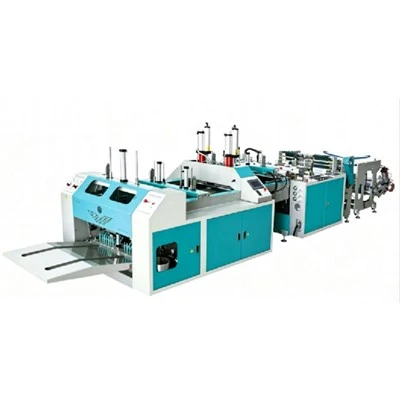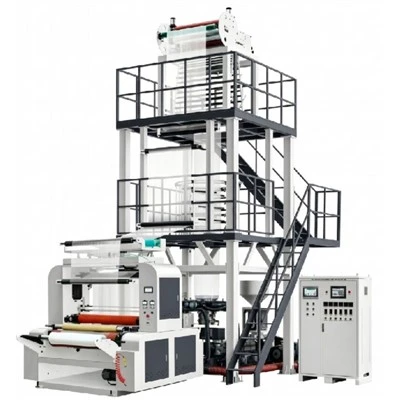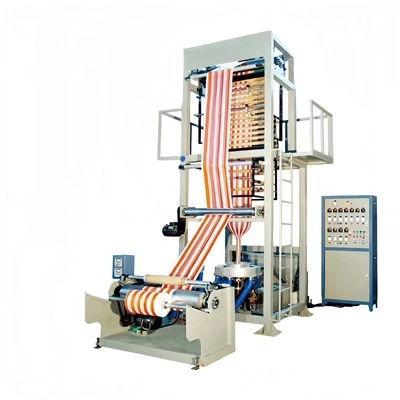


The Flat Bag Cold-Cut Making Machine converts HDPE and LDPE film rolls into flat plastic bags through film feeding, heat sealing and cold cutting. It supports flat-bag production for packaging, storage and general product handling. The machine configuration can be tailored to the required bag dimensions, film specifications, production speed and operating conditions. Final selection depends on the material, finished-bag requirements and expected production output.
Key Advantages
Integrated Processing: Film feeding, heat sealing and cold cutting form a coordinated production process, moving film from roll feeding to finished-bag separation.
Adjustable Bag Length: Bag-length settings allow production to accommodate different specifications within the machine's confirmed operating range.
Seal Quality Control: Adjustable sealing temperature and dwell time help match processing conditions to the film material and thickness.
Production Flexibility: Machine settings and available control functions can be selected according to bag specifications, output requirements and operating procedures.
Technical Specifications
|
Parameter |
Reference Specification |
|
Film Material |
HDPE, LDPE |
|
Maximum Bag Width |
1150 mm |
|
Maximum Bag Length |
1500 mm |
|
Film Thickness |
0.02–0.15 mm |
|
Production Speed |
30–120 pcs/min |
|
Main Motor Power |
1.1–2.2 kW |
|
Total Installed Power |
3–4.5 kW |
|
Machine Length |
3200–3400 mm |
|
Machine Width |
1150–1900 mm |
|
Machine Height |
1500–1900 mm |
|
Machine Weight |
700–1300 kg |
Bag Types and Applications
Flat Packaging Bags
Suitable for compatible flat bags used to package, store and handle general merchandise and components.
Retail Packaging
Applicable to selected flat-bag formats used for retail products and everyday packaging, subject to the required dimensions and film properties.
Industrial Packaging
Suitable for compatible flat bags used to contain parts, supplies and other products requiring flexible plastic packaging.
Bag Conversion Operations
Can be considered for new bag-production setups or capacity expansion where flat-bag manufacturing is part of the production plan.
Material and Bag Size Compatibility
Film Type and Thickness: Specify the film material and thickness to establish the suitable feeding and sealing configuration. Different film properties can require different processing settings.
Roll Dimensions: Provide the film roll width and diameter. These measurements help determine material-loading requirements and feeding compatibility.
Finished-Bag Size: Confirm the bag width, length and required dimensional tolerance. The intended bag size should be evaluated together with the required production speed.
Printed Film: For printed rolls, confirm whether color-mark tracking is needed and available. Compatibility depends on the printing layout and the selected control system.
Production Configuration
Feeding System: The feeding arrangement should accommodate the specified roll dimensions and maintain stable film delivery at the intended operating speed.
Heat-Sealing Unit: Sealing temperature, dwell time and seal position should be matched to the film and finished-bag requirements.
Cold-Cutting Unit: The cutting arrangement should match the required bag format and separation method. Confirm the finished-edge requirements during technical review.
Control Functions: Specify the required functions, such as bag-length adjustment, production counting, speed regulation and automatic stopping. Confirm which functions are included in the selected configuration.
Customization Options
Bag Dimensions: The machine configuration can be reviewed against the required bag width, length and production range. Drawings or physical samples help clarify the finished product.
Film Specifications: Feeding and sealing arrangements can be assessed according to film material, thickness and roll dimensions.
Operating Requirements: Available control functions and auxiliary equipment can be evaluated against the production schedule, target output and factory conditions.
Installation and Order Preparation
Power and Space
Confirm the local power supply, installation footprint, operating clearance and access for film-roll loading before finalizing the layout.
Technical Documentation
Review the machine specification, electrical requirements, layout drawing and operating documentation for the selected configuration.
Delivery Arrangements
Confirm packing dimensions, gross weight, delivery schedule, shipping arrangements and warranty terms before order approval.
Frequently Asked Questions
Q: What materials can the machine process?
A: HDPE and LDPE are common materials for flat-bag production. Confirm the supported materials and thickness range for the selected model.
Q: Can it produce different bag sizes?
A: Different sizes may be processed within the confirmed operating range. Specify the required dimensions and target speed for technical evaluation.
Q: Can it process printed film?
A: This depends on the available control configuration and compatible color-mark tracking. Confirm the printing requirements before ordering.
Q: Can the machine be customized?
A: Yes. Configuration can be evaluated according to bag dimensions, film specifications, production targets and factory conditions.
Q: What information is needed for a quotation?
A: Provide the film material, thickness, roll dimensions, finished-bag size, target production speed, power supply and required functions. A drawing or sample can help establish the processing requirements.
Hot Tags: flat bag cold-cut making machine, China flat bag cold-cut making machine manufacturers, suppliers, factory, Automatic Film Feeding System for Bag Rolls, Flat Bag Roll Converter with Programmable Control, Fully Automatic T Shirt Shopping Bag Production Line, Heat Seal Hot Cut Bag Making Machine, Perforated Plastic Liner Roll Production Equipment, Plastic Film Bag Folding and Stacking Machine